

In this article
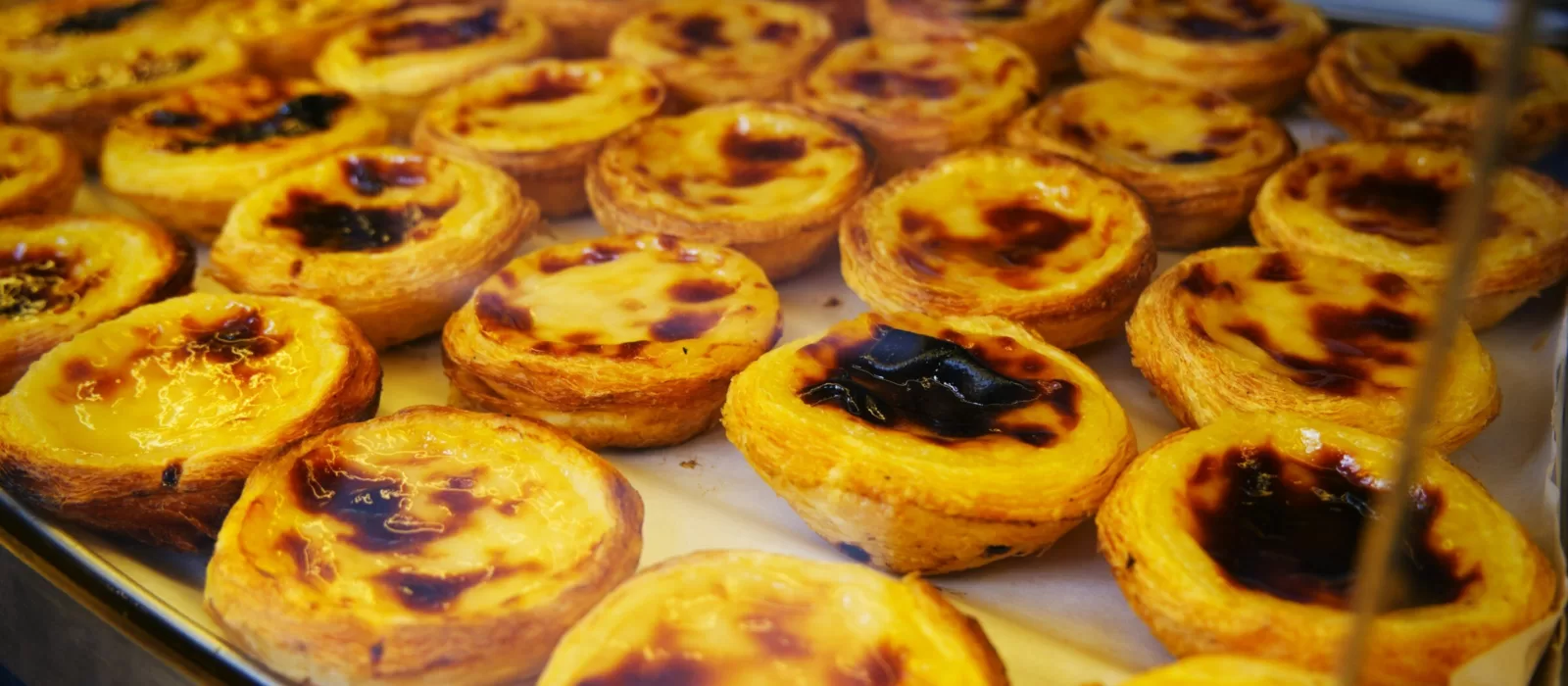
Our first pastel de nata in Lisbon was eaten standing up, at a café counter, at a quarter to eleven in the morning. It was still warm. The pastry cracked into flakes that went everywhere, the custard inside was soft and barely set, and the man next to us shook cinnamon over his own tart without even looking. We ordered a second one before we had finished the first.
Our first bifana came a few hours later, from a small place with a steel counter and a pan of pork slices simmering behind it. Nobody asked how we wanted it. It arrived in a soft roll, juicy enough to need two napkins, with a bottle of mustard pushed across the counter towards us.
Neither of these is a restaurant meal. Both are cheap, quick and eaten by almost everyone in the city, at almost any hour. If you only have a few days in Lisbon, they are the easiest way to eat like the people around you. This is what we wish we had known before that first morning.
The pastel de nata: a monastery recipe that outlived the monks
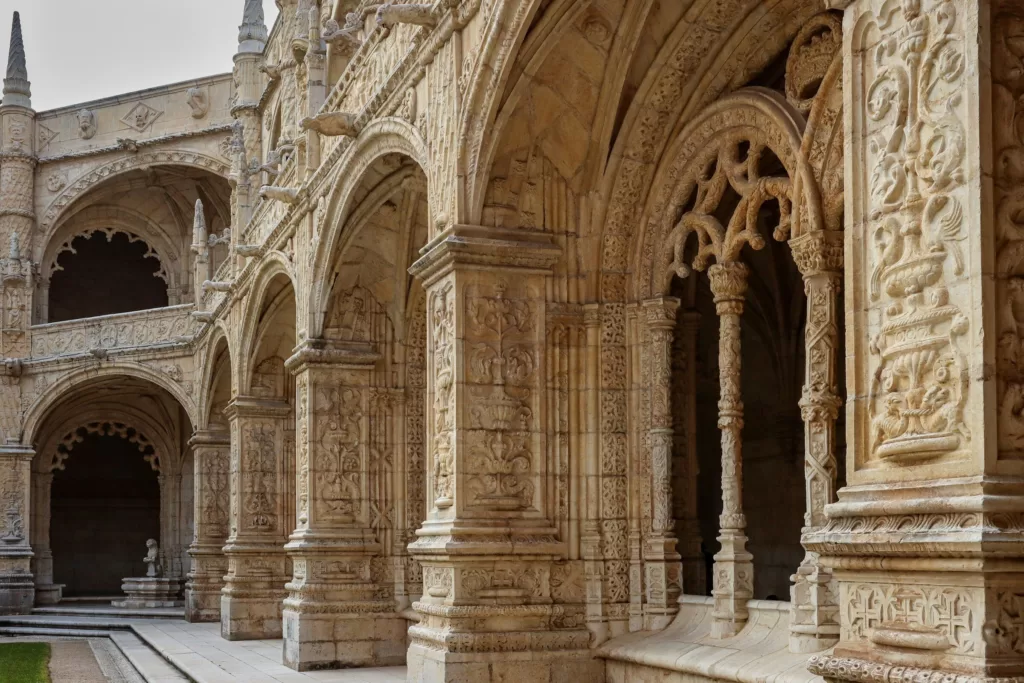
The custard tart you see in every bakery window has a real address. The original tarts, the pastéis de Belém, were created before the 18th century by monks at the Jerónimos Monastery in Belém, on the western side of Lisbon. Convents at the time used large amounts of egg whites to starch clothes, which left them with a lot of yolks. Sweet pastries were one way to use them, and egg yolks are still the heart of the recipe.
After the Liberal Revolution of 1820, the monks started selling their pastries at a sugar refinery next to the monastery to earn some money. The monastery was closed in 1834 and the recipe was sold to the refinery. In 1837 its owners opened the Fábrica de Pastéis de Belém, about a three-minute walk from the monastery. The descendants of those owners still run the business, and it sells more than 20,000 pastries a day. In 2011 the pastel de nata was voted one of the Seven Wonders of Portuguese Gastronomy.
How to eat one properly
A good pastel de nata is about texture as much as taste. The case should be thin, dark at the edges and shatter when you bite it. The filling should be creamy, not firm, with a few burnt, almost black spots on top. Those spots are a good sign, not a mistake.
- Eat it warm if you can. Many bakeries bring out new trays through the day. If you see a fresh batch coming out, that is the one to order.
- Cinnamon and icing sugar are optional. They are usually on the counter in shakers. Try your first one plain, then add cinnamon to the second and decide which you prefer.
- Stand at the counter. In most cafés it is normal to order, eat and leave in five minutes. Sitting down at a table is fine too, but it is not expected.
- Do not save it for later. A tart that has spent two hours in a paper bag is still nice, but it is not the same thing. The pastry goes soft quickly.
- Have one in Belém, and one anywhere else. The Belém shop is part of the story, and the queue moves faster than it looks. But the tart from the corner café near your hotel at breakfast time can be just as memorable.
The bifana: the sandwich of fairs, football and late lunches
The name means “small steak”, which tells you how simple it is. A bifana is thin pork, pounded or sliced, then simmered with garlic and wine and served in a warm bread roll. It is eaten all over Portugal and is seen as a cheap, fast meal. It is also a classic at festivals and fairs, where the smell of it drifts across the whole square.
Where it comes from is not certain. Some sources say it may have first been made in Vendas Novas, a town in the Alentejo, but this has never been confirmed. What is clear is that the style changes as you travel. In the north it is usually shredded pork with plenty of sauce. In the south, including the Lisbon area, it tends to be a lighter sandwich with a single pork cutlet and a gentler marinade.
How to order: just ask for “uma bifana”. Mustard is the classic partner, and in some places you will be offered hot sauce or fried onions instead. If the bread looks dry, ask for a little of the cooking juice on it. Most counters are happy to do that.
If you do not eat pork, or avoid alcohol
Bifanas are always pork, and the meat is cooked in wine. Many travellers, including Muslim families and people who avoid alcohol, prefer to skip them. That is easy: most cafés that sell bifanas also have other hot sandwiches, soups and grilled dishes, so ask what they have that day. Pastéis de nata do not contain meat. If you have a strict diet, it is always worth asking the staff about the ingredients, because recipes change from bakery to bakery.
A simple day built around both
You do not need a food tour to enjoy these two. A relaxed plan that works well:
- Morning in Belém. Visit the Jerónimos Monastery and the riverside, then walk to the pastry shop for a warm tart. Go early to avoid the longest line.
- Back to the centre for lunch. Find a small café or tasca with a hot pan behind the counter and order a bifana with a cold drink.
- Afternoon walk. Spend the afternoon in Baixa, Chiado or Alfama, and stop for a second pastel de nata wherever the smell of baking catches you.
If you would rather not plan the route yourself, a short private tour is an easy way to see the main areas first and then come back on foot to the places you liked best.
Small things that make a difference
- Busy counters are a good sign. Locals do not queue for bad pastries.
- Carry a few small coins or a card for quick payments at the counter.
- Prices, opening times and queue lengths change. Check the shop’s own website or ask at your hotel on the day.
- Both travel badly. Buy them where you will eat them.
One last tip: do not count how many you eat. Nobody in Lisbon does.
 Lisbon city guideThings to do, hotels we recommend, halal restaurants, tours and tips.